
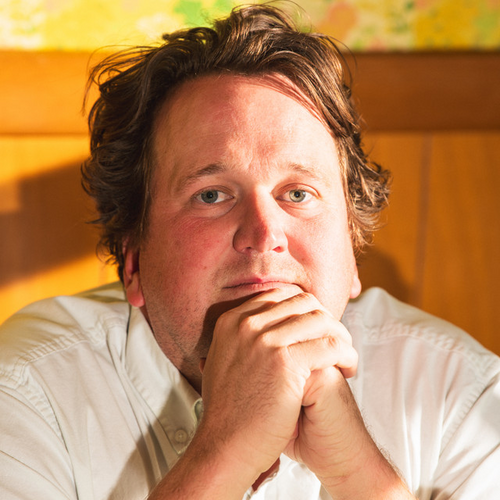
Michael Rawls grew up straddling two worlds. He was raised in Suffolk, Virginia — a small peanut-farming town where his father practiced law and everybody knew everybody — but went to school in Norfolk, the nearest thing to a city that part of the state had to offer. That gap between the two places, between the stillness of a small town and the noise of somewhere larger, became the first tension he learned to live inside. It would not be the last.
His father was insistent on certain things. The Beatles went on after dinner. Led Zeppelin came through the car speakers on long drives. The Beach Boys, Bruce Springsteen, Bob Dylan — these weren’t just records, they were a kind of education, a father’s way of saying: here is what music can do when it means something. Rawls absorbed all of it. And then, on his own time, he found two records that changed the shape of what he thought music could be: Modest Mouse’s The Lonesome Crowded West, jagged and restless and completely alive; and Wilco’s Yankee Hotel Foxtrot, which showed him that American music could be literary and fractured and still devastatingly human. He never fully recovered from either of them.
He carried all of it forward, into a life that grew full in the way lives do. A career as a financial advisor and business owner in Richmond, Virginia. A family. A practice. The ordinary accumulation of responsibility that crowds out the margins where creative things tend to live. The songs were still there — they kept showing up — but the time to make them properly wasn’t.
Then came the dissolution of a marriage, and with it a particular kind of silence. He found himself alone in the evenings in a house where a child was sleeping, and in that stillness — the specific quiet of a life being rebuilt from its foundations — he started writing again. Not as a hobby. As a necessity. Songs of heartbreak and longing and loneliness. Songs about the strange grief of losing one life and the stranger hope of building another. Songs about what it means to love someone new when you are still carrying the weight of what came before. He wrote them in the margins of everything else: late nights, early mornings, the small hours between one responsibility and the next.
“You don’t have to give up your art to grow up. Music can live right alongside career, family, and responsibility — and sometimes it flourishes best there.”
When the songs were ready, he took them to Matthew E. White at Spacebomb Studio in Richmond — one of the most celebrated independent recording spaces in American roots music, and the home of some of the most carefully made records of the last decade. White, who has produced critically acclaimed work for Natalie Prass, Foxygen, and others through Spacebomb, heard what Rawls had written and agreed to produce the album. The result is a nine-track debut that stands as one of the most honest records to come out of Richmond in years.
To record it, White brought in Alan Parker — a Richmond-born, Los Angeles-based multi-instrumentalist whose session credits include Bon Iver, Lucy Dacus, Dijon, and Flock of Dimes, and who has become one of the most sought-after players in American indie and Americana music. In a first for both producer and musician, Parker played every instrument on the album: guitar, bass, drums, keys, everything. The cohesion that results is rare on any debut, let alone one made alongside a full professional life. The record sounds like it was built by a single musical intelligence — warm, precise, and deeply felt.
The songs sit somewhere between the emotional directness of Springsteen and the melodic intelligence of Wilco — the two poles of a musical education that stretches from a father’s record collection to late nights alone with headphones. Tracks like “Virginia Fog,” “Hearts,” “Holy Smokes,” and lead single “Say A Prayer” create a portrait of real adult life: the grief and the joy of it, the longing and the renewal, the small moments of mischief and tenderness that survive even the hardest seasons. This is an album of heartbreak, yes — but also of hope, and of the particular joy that can only be found on the other side of loss.
He is still a financial advisor. He still lives in Richmond. This record didn’t replace any of that. It grew alongside it, in the margins, the way the best things do.
Video
Releases
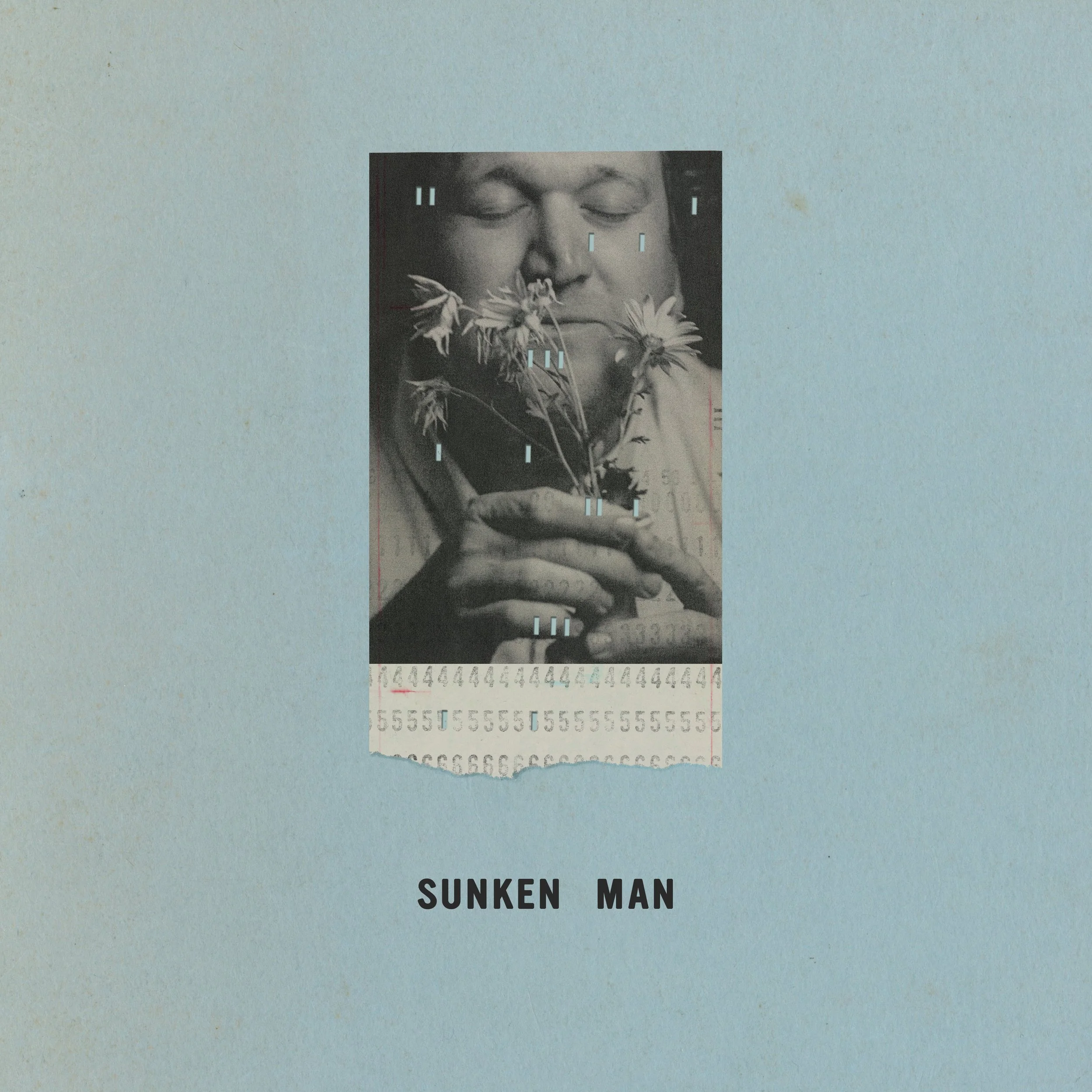
Pre-Order! Items will ship on or around September 25, 2026.
Sunken Man frontman Michael Rawls grew up between Suffolk and Norfolk, Virginia. Small-town stillness on one side, city noise on the other. Rawls built a full life outside of music: financial advisor, business owner, family... and the songs kept showing up anyway. Then a marriage ended, and in the quiet of a house where a child was sleeping, he started writing in earnest. Songs about heartbreak and rebuilding. About loving someone new while still carrying what came before.
Rawls took the songs to Matthew E. White at Spacebomb Studio in Richmond. White produced the album; Alan Parker, whose credits include Bon Iver, Lucy Dacus, and Dijon, played every instrument himself. The record was mixed by three-time Grammy winner Alex De Jong and mastered by TW Walsh.
The result is nine songs that sit somewhere between Springsteen's emotional directness and Wilco's melodic intelligence. Heartbreak, yes… but also hope. The kind you have to earn.
Rawls is still a financial advisor. Still lives in Richmond. His music grew in the margins, the way the best things do.
Tracklist:
Say A Little Prayer For Me
Hearts
Lay All Your Love On Me
Fall For It Again
Virginia Fog
Carolina Border Town
Fat Condo Kings
Love Like This
Holy Smokes